
Do You Need a Permit for Your DFW Home Remodel?
TL;DR
Most kitchen and bathroom remodels in Dallas require permits. Structural changes definitely require permits. Cosmetic updates like painting often don't. Permits cost money but they protect you. Skip them at your own risk, especially if you're selling. Each city in DFW has different rules. Check with your local building department.
Introduction
The permit question is where a lot of homeowners get nervous. Permits feel like red tape. They take time. They cost money. You just want to get the work done.
Here's the thing: permits aren't the obstacle most people think they are. In fact, permits protect you more than they protect the city.
After 20 years doing remodels in Dallas Fort Worth, I can tell you that the homeowners who skipped permits are the ones who regretted it. Not always immediately, but eventually.
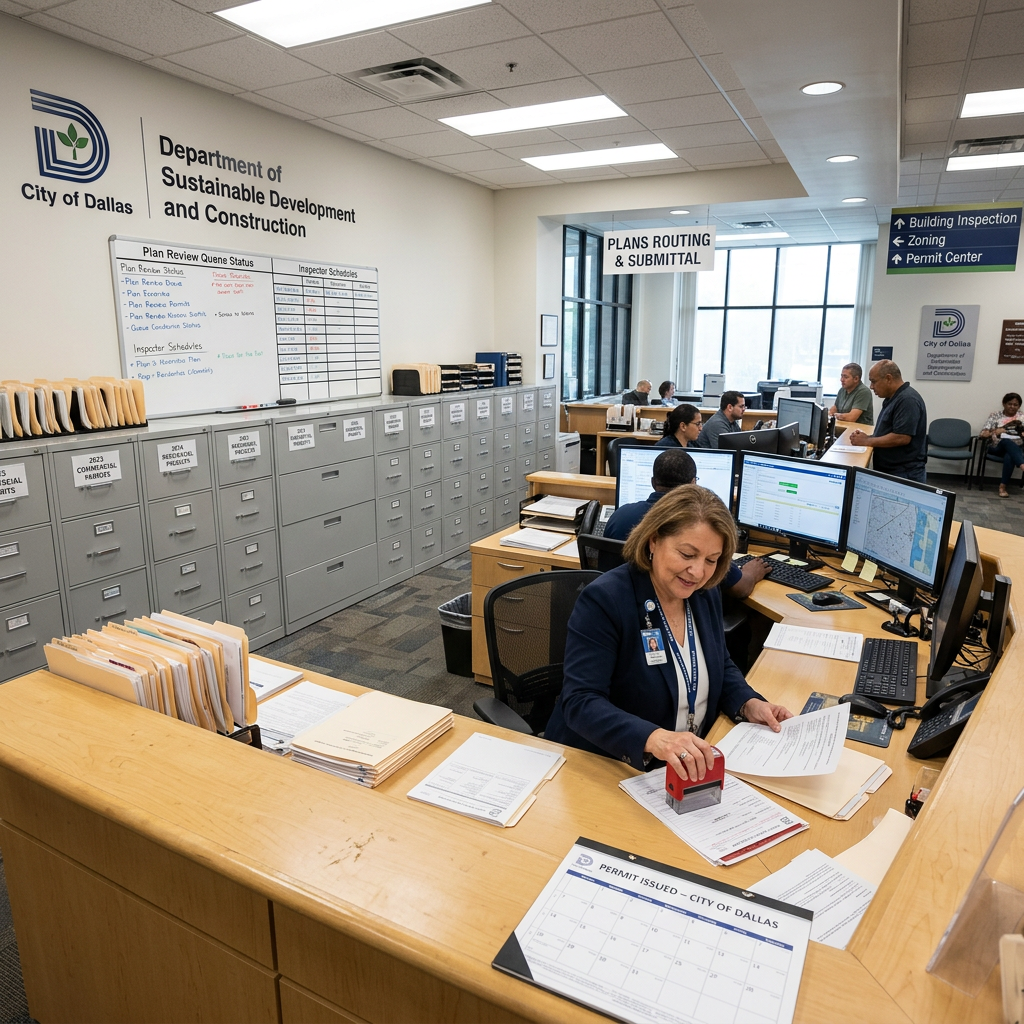
Building permits ensure your remodel meets code and protects your investment — they're not red tape, they're protection.
What Actually Requires a Permit
This varies by city in DFW, but generally speaking:
Kitchen remodels: Require permits. You're moving plumbing, electrical, possibly gas lines. You're modifying cabinets that affect the layout. You're potentially changing load bearing walls. All of that needs inspection.
Bathroom remodels: Require permits. You're moving plumbing and electrical. You're installing exhaust ventilation. You're probably moving fixtures or walls.
Additions: Always require permits. You're expanding the footprint of your house.
Structural changes: Require permits. Moving walls, modifying load bearing elements, anything that changes the structure of the house.
Electrical work: Requires permits. Adding circuits, upgrading the main panel, installing new outlets beyond certain limits.
Plumbing work: Requires permits. Moving or adding plumbing, installing new drains or water lines.
HVAC work: Requires permits. Installing new systems or significantly modifying existing ones.
Roofing: Sometimes requires permits depending on the scope and your city.
Painting and cosmetic updates: Typically don't require permits. Replacing cabinets with the same layout usually doesn't. Replacing fixtures like sinks or faucets often doesn't.
Important: Each city in Dallas Fort Worth has slightly different rules. Irving has different requirements than Dallas. Plano differs from Fort Worth. Arlington and other DFW suburbs have their own codes. A contractor working in multiple cities needs to know the differences.
Why Permits Matter
Permits matter for several reasons that don't get explained well.
First, they ensure the work is done safely and to code. A licensed inspector actually looks at the work. They check that electrical is safe, plumbing is code compliant, structural changes are done correctly. That's valuable. Code violations aren't just bureaucracy. They're actual safety and building integrity issues.
Second, they protect you legally. If something goes wrong, your insurance might not cover it if unpermitted work caused the problem. If you sell your house and the new owner discovers unpermitted work, you could be liable.
Third, they protect your home's value. A buyer's inspector will find unpermitted structural work. It's a massive red flag. Even if the work was done perfectly, the lack of permits kills the sale or drops the price significantly.
Fourth, permits create a record that you did the work. When you sell, you can show proof that the work was permitted and inspected. That's documentation.
Permit Costs and Timeline
A typical permit in Dallas Fort Worth costs $100 to $500 depending on the scope. A kitchen remodel permit might be $200 to $400. A bathroom permit might be $150 to $300.
Multi phase projects get more expensive because they need multiple inspections. Foundation work, framing inspection, electrical rough in, plumbing rough in, final inspection, that's five permit visits and potentially five separate permit fees.
The timeline is usually a few days to get the permit issued, then inspections happen as work progresses.
This isn't an enormous cost in the context of a full remodel. If your remodel costs $40,000, permits adding $300 to $500 is negligible. But many homeowners skip permits to save this small amount, which is penny wise and pound foolish.
The Unpermitted Work Problem
Let's be real: some contractors suggest skipping permits. They say it saves money and time. What they're actually saying is it lets them do the work without inspection, which is how sloppy work happens.
A contractor who wants to skip permits is someone you should not hire. Full stop.
If you buy a house and the inspector finds unpermitted electrical or plumbing work, that's a major problem. It typically requires bringing in a licensed electrician or plumber to either inspect and certify the work or redo it.
If you try to sell your house and the buyer's inspector finds unpermitted structural work, the buyer will either back out or demand a major price reduction.
Unpermitted work in DFW is discoverable. Home inspectors know what to look for. You can't hide old unpermitted work forever.
How the Permit Process Actually Works
A contractor or you submit the permit application. You provide plans of what you're doing. The building department issues the permit.
Work starts. At various stages, an inspector shows up. They verify that the work is being done to code.
For electrical work, there's usually a rough in inspection (before walls close) and a final inspection (after everything is done).
For plumbing, similar timeline. Rough in and final.
For structural or major work, you might have framing inspection, structural inspection, final inspection.
The process isn't bureaucratic obstacle. It's someone checking that the work is safe and correct.
If something isn't code compliant, the inspector tells you and you fix it. You don't get final approval until it's right. That's actually good for you.
Different Rules in Different DFW Cities
Dallas has one set of codes and permit requirements. Fort Worth is different. Arlington is different. Plano is different.
This is why using a local contractor matters. Someone who works regularly in your specific city knows the requirements. Someone trying to apply Dallas rules to a Plano project is going to run into problems.
Before committing to a remodel, ask your contractor whether your specific project requires permits in your specific city. They should be able to answer authoritatively. If they're vague, that's a red flag.
Most cities provide this information online. You can also call your local building department and ask. They'll tell you what's required for your project.
When You Might Skate Without Permits
Very small projects in some cities don't require permits. A single outlet addition in some places is permitted. Replacing a faucet definitely isn't. Painting your guest bathroom isn't. Minor interior cosmetic updates usually aren't.
But anything structural or involving major systems should be permitted. Any time you're unsure, it's better to get a permit than not.
A contractor should be able to tell you definitively whether permits are required. If they can't, ask your building department.
Selling a Permitted Home
One of the best arguments for permits is selling your home. When you sell, you can show the buyer and their inspector that work was permitted and inspected. That gives confidence that the work is done correctly.
If the new owner discovers unpermitted work during their inspection, they'll negotiate the price down or back out entirely.
Getting permits done at the time of the work is free. Getting them after the fact is expensive and sometimes impossible.
The Contractor's Responsibility
A good contractor includes permits in their estimate. You shouldn't be surprised by permit costs.
A good contractor knows the requirements for your city. They handle the permit application. They schedule inspections.
A good contractor uses permits as quality control. Knowing an inspector will look at the work ensures they do it right.
A contractor who wants to skip permits or is vague about permitting is someone to avoid.
Moving Forward
If you're planning a remodel in Dallas Fort Worth, assume permits are required unless someone definitively tells you they're not. Check with your city's building department if you're not sure. Here are the main DFW building departments:
- City of Dallas: Visit dallascityhall.com
- City of Fort Worth: Visit fortworthtexas.gov
- City of Plano: Visit plano.gov
- City of Arlington: Visit arlington.gov
Permit Budget: Budget 2 to 5 percent of your total project cost for permits. If it's a $40,000 remodel, permits might be $800 to $2,000 depending on scope.
Permits as Quality Assurance: Use permits as your quality assurance. A permitted project with inspections is a project done correctly. An unpermitted project is a gamble.
If you're ready to start a remodel and want to do it the right way, including permits and inspections, contact us for a free consultation. We handle all the permit requirements for the specific city you're in and make sure everything is done to code.